
BioStem's VENDAJE products gain Vizient and Premier GPO coverage

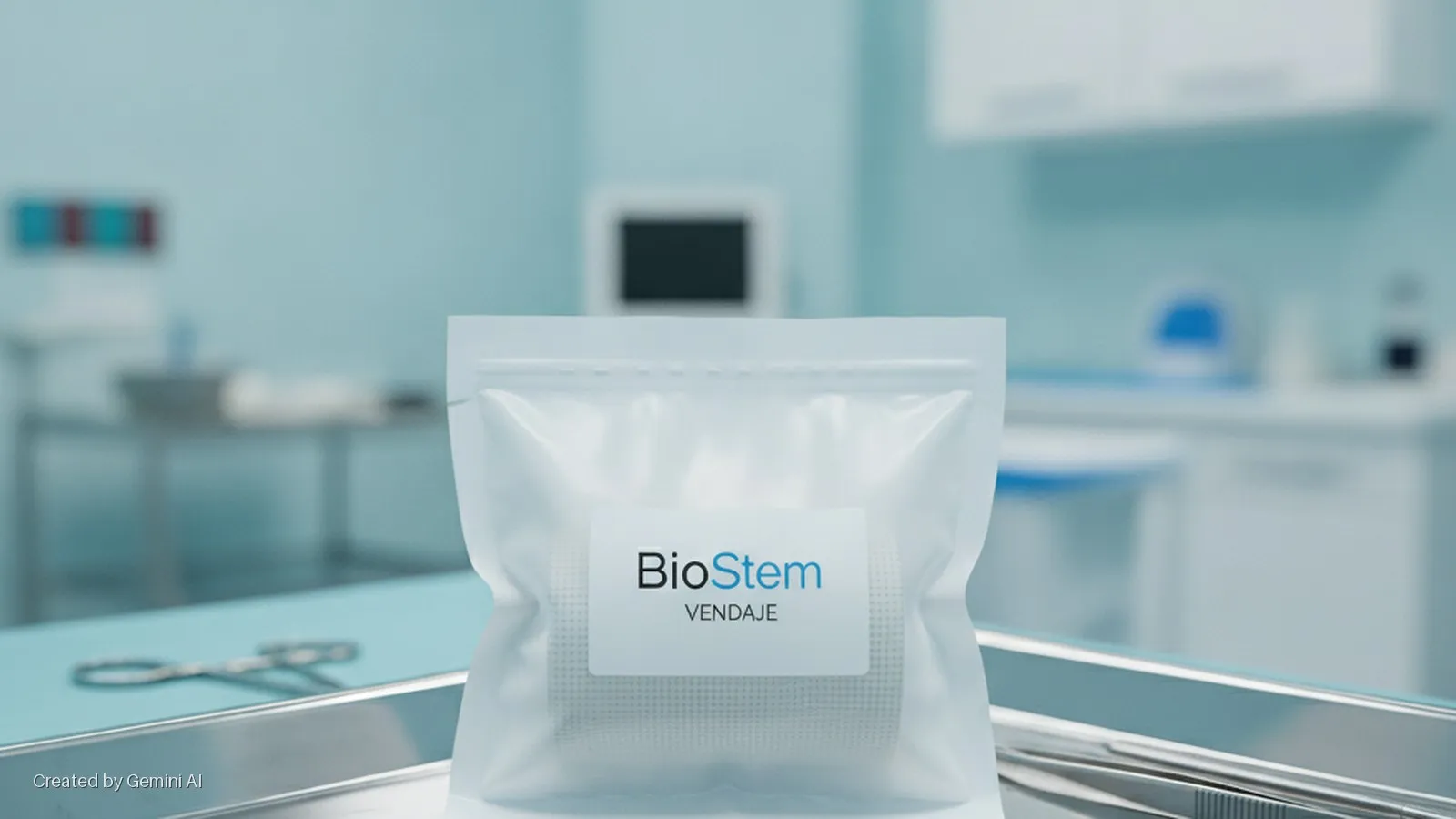
BioStem Technologies has added its VENDAJE and VENDAJE AC placental-tissue allografts to existing contracts with Vizient and Premier, the two largest group purchasing organisations (GPOs) in the United States. The products are available for order under both contracts immediately, representing the first time either has carried GPO contract coverage.
The Pompano Beach, Florida-based company said the move removes a commercial barrier that had restricted where clinicians could deploy the products. Jason Matuszewski, chief executive and chairman, said the agreements position BioStem "to reach health systems and providers at scale and support the execution of our commercial strategy."
The products and their market entry
VENDAJE is a placental-derived, minimally manipulated dehydrated tissue allograft composed of the amnion layer of the placental membrane. VENDAJE AC is a thicker, multilayer variant that retains the amnion, intermediate, and chorion layers, providing an additional option for more complex soft tissue wounds. Both are manufactured using BioStem's proprietary BioRetain process, which the company says is designed to preserve the native properties of placental tissue.
Vizient is the largest GPO in the United States by affiliated staffed beds, serving more than 5,000 hospitals; Premier is the second largest, serving more than 4,000. Securing placement on both simultaneously gives BioStem access to a substantial share of US acute-care purchasing infrastructure at a single step.
Market context and competitive positioning
The wound care biologics segment, which includes amniotic and placental tissue allografts, has grown considerably over the past decade as health systems seek alternatives to synthetic wound dressings for chronic and complex wounds. BioStem competes in a segment that includes a number of well-established players, among them MiMedx and Organogenesis, both of which have had longer-standing GPO relationships. For a smaller, Nasdaq-listed company such as BioStem, GPO inclusion is often a prerequisite for meaningful hospital-system revenue, because it allows procurement teams to order products through existing contracting channels without additional sourcing steps.
BioStem holds accreditation from the American Association of Tissue Banks and operates under both current Good Tissue Practices and current Good Manufacturing Practices, which are standard baseline requirements for allograft commercialisation. The company's broader portfolio also includes the Neox, Clarix, and American Amnion product lines.
The next commercial milestones to watch are uptake rates among Vizient and Premier member hospitals and any disclosure of early order volumes, which would help investors gauge how quickly GPO inclusion translates into revenue. The company has also indicated it is expanding clinical research initiatives, and data supporting VENDAJE's efficacy in specific wound types could strengthen its position relative to more established competitors in future contracting cycles.