
Ceribell wins FDA clearance for qEEG trending on its AI platform

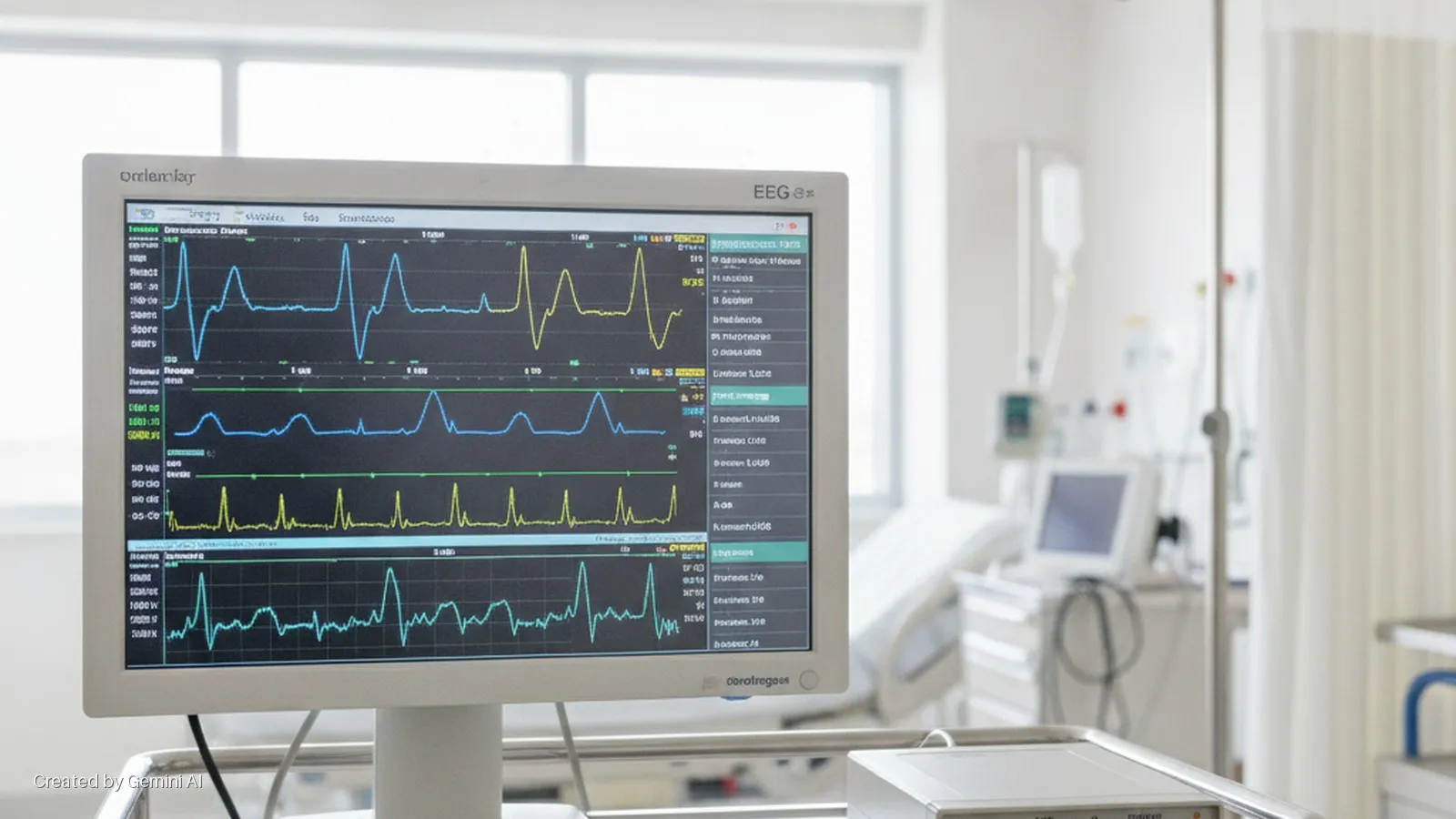
Ceribell has secured FDA 510(k) clearance for a software update that adds quantitative EEG trending and amplitude-integrated EEG analysis to its point-of-care brain monitoring platform. The Sunnyvale, California company said the new features are designed to make continuous EEG data easier to interpret at the bedside without specialist input, addressing a long-standing bottleneck in neurological critical care.
The cleared update (K261712) introduces three distinct analytical capabilities. Alpha-Delta Ratio and Relative Alpha trending provide continuous markers of cerebral blood flow adequacy, aimed at earlier detection of brain distress in high-risk patients such as those with aneurysmal subarachnoid haemorrhage. Burst Suppression monitoring gives clinicians a real-time view of brain activity during sedation for refractory seizures or elevated intracranial pressure management. Amplitude-Integrated EEG, long regarded as a standard of care in neonatal intensive care units, is now embedded alongside the adult monitoring suite.
Unusually for a device of this breadth, the clearance carries no age restriction. Ceribell says the same interface is available whether the patient is a premature newborn in the NICU or an adult in the emergency department, a positioning that widens the addressable population considerably.
Clinical context
Jane Chao, co-founder and chief executive, framed the update around urgency: "In critical care, time is brain, and every hour spent waiting for interpretation of EEG is time lost delivering treatment at the bedside." She said the features are expected to reach existing Ceribell users via an automatic software update in the first half of 2027, which means hospitals already running the platform would not face a separate procurement decision.
The clearance follows two earlier 510(k) decisions for Ceribell: one covering neonatal seizure detection (K252070) and another for delirium monitoring (K251936). Together, the three updates reflect a deliberate effort to extend the platform's clinical reach without requiring new hardware deployments, a strategy that reduces the friction of adoption in stretched acute-care settings.
Market positioning
The point-of-care EEG space is attracting sustained attention from device makers and digital-health investors. Ceribell went public on Nasdaq as CBLL and competes in a market that has historically depended on cumbersome, technician-applied full-cap EEG systems and centralised neurophysiology reading services. The move toward AI-assisted, portable EEG positions Ceribell against both traditional neurodiagnostic equipment suppliers and a smaller number of start-ups pursuing similar simplified-monitoring approaches.
For the broader neurological monitoring sector, the FDA's willingness to clear AI-assisted trending tools under the 510(k) pathway signals a relatively permissive regulatory read-across, provided the predicate device relationship is solid. Clinicians and hospital procurement teams will want to see real-world performance data on the ADR and Relative Alpha trending, particularly the sensitivity and specificity in detecting delayed cerebral ischaemia after subarachnoid haemorrhage, a complication where earlier intervention is known to improve outcomes. That data is not included in the clearance announcement.
Ceribell's software-forward update strategy also carries a commercial logic: recurring algorithm expansions on an installed base are structurally more defensible than one-time hardware sales, a model that investors in the medical-device software segment have rewarded in comparable companies.