
Health Textiles Nigeria begins PermaNet Dual net production

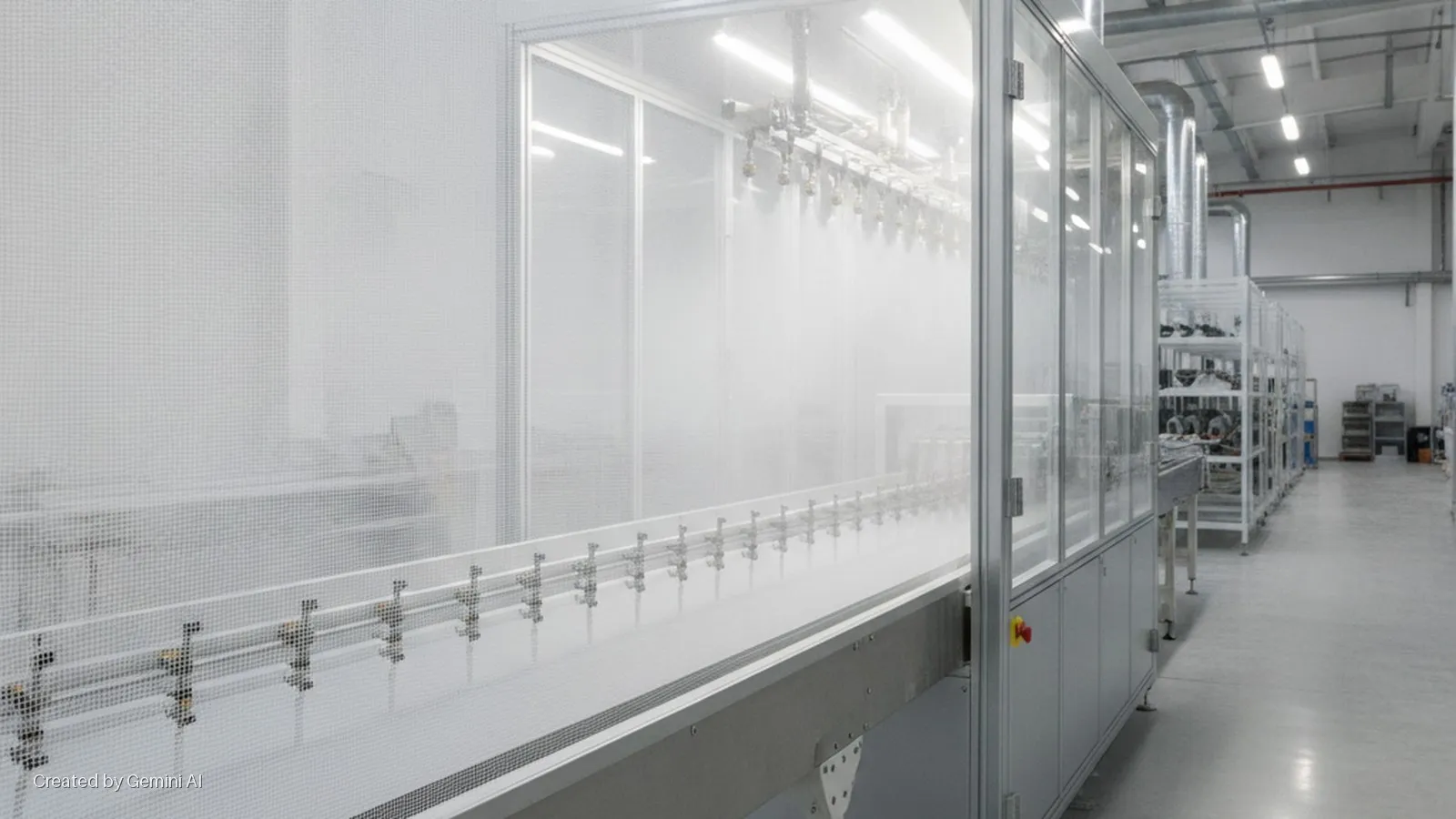
Vestergaard Sàrl has declared its Health Textiles Nigeria FZE facility operational, making it the first manufacturing site in Nigeria to produce dual-active ingredient insecticide-treated mosquito nets (ITNs). The plant, located in Lagos, will manufacture PermaNet Dual, Vestergaard's flagship net designed to counter insecticide resistance, which received WHO prequalification in 2023. At full capacity, the site is expected to produce 10 million nets annually and employ more than 600 people.
The launch fulfils the terms of a memorandum of understanding signed in 2024 between Vestergaard and Nigeria's Presidential Initiative for Unlocking the Healthcare Value Chain (PVAC), which envisaged the country becoming West Africa's first hub for dual-ingredient net production. Health Textiles Nigeria is wholly owned by Vestergaard, which says it has supplied roughly one-third of all publicly procured ITNs globally since 2000.
Public health context
Malaria remains one of the most acute infectious-disease burdens in sub-Saharan Africa. WHO data cited in the release recorded approximately 282 million malaria cases and 610,000 deaths worldwide in 2024, with Nigeria alone accounting for around a quarter of global cases. ITNs as a category are credited with averting an estimated 1.13 billion cases since 2000, a figure that underscores both the clinical importance of the tool and the scale of continued unmet need.
Coordinating Minister of Health and Social Welfare Dr Muhammad Ali Pate said the facility "reflects our broader commitment to strengthening health security by building domestic capacity to manufacture the essential health products Nigerians need."
The site currently employs around 80 staff, with training under way across manufacturing, quality assurance, health and safety, and regulatory compliance. Vestergaard says first commercial orders are expected to be fulfilled in the coming months.
Manufacturing and competitive landscape
The emergence of insecticide resistance in Anopheles mosquito populations has shifted procurement preferences toward dual-active-ingredient nets, which combine pyrethroid chemistry with a synergist or second insecticide class to restore killing efficacy. PermaNet Dual sits in this segment alongside a small number of competing products from suppliers including Sumitomo Chemical and BASF. WHO prequalification is effectively a prerequisite for purchase by major global-health funders such as the Global Fund and USAID, meaning Vestergaard's 2023 qualification is a significant commercial credential.
Localising production in Nigeria is strategically relevant for two reasons. First, proximity to demand reduces freight costs and lead times for procurement programmes operating across West and Central Africa. Second, a number of African Union and donor policy frameworks increasingly favour in-country manufacturing of essential health commodities, and facilities that meet WHO good-manufacturing-practice standards are well positioned to benefit. Vestergaard's existing manufacturing base in Vietnam, combined with a vector control research laboratory in Ghana, gives the company a multi-geography operational footprint that few ITN competitors can match.
PVAC National Coordinator Dr Abdu Mukhtar said the milestone "demonstrates what is possible when investment, technology transfer and government policy are deliberately aligned to build local manufacturing capability." The next indicators to watch will be the pace of scale-up to the stated 10 million net annual capacity, the timeline for completing the full 600-person workforce, and whether the facility attracts additional contract-manufacturing interest from other health-product categories as its quality systems mature.