
Samfara acquires Chr. Olesen Synthesis in controlled-substance API deal

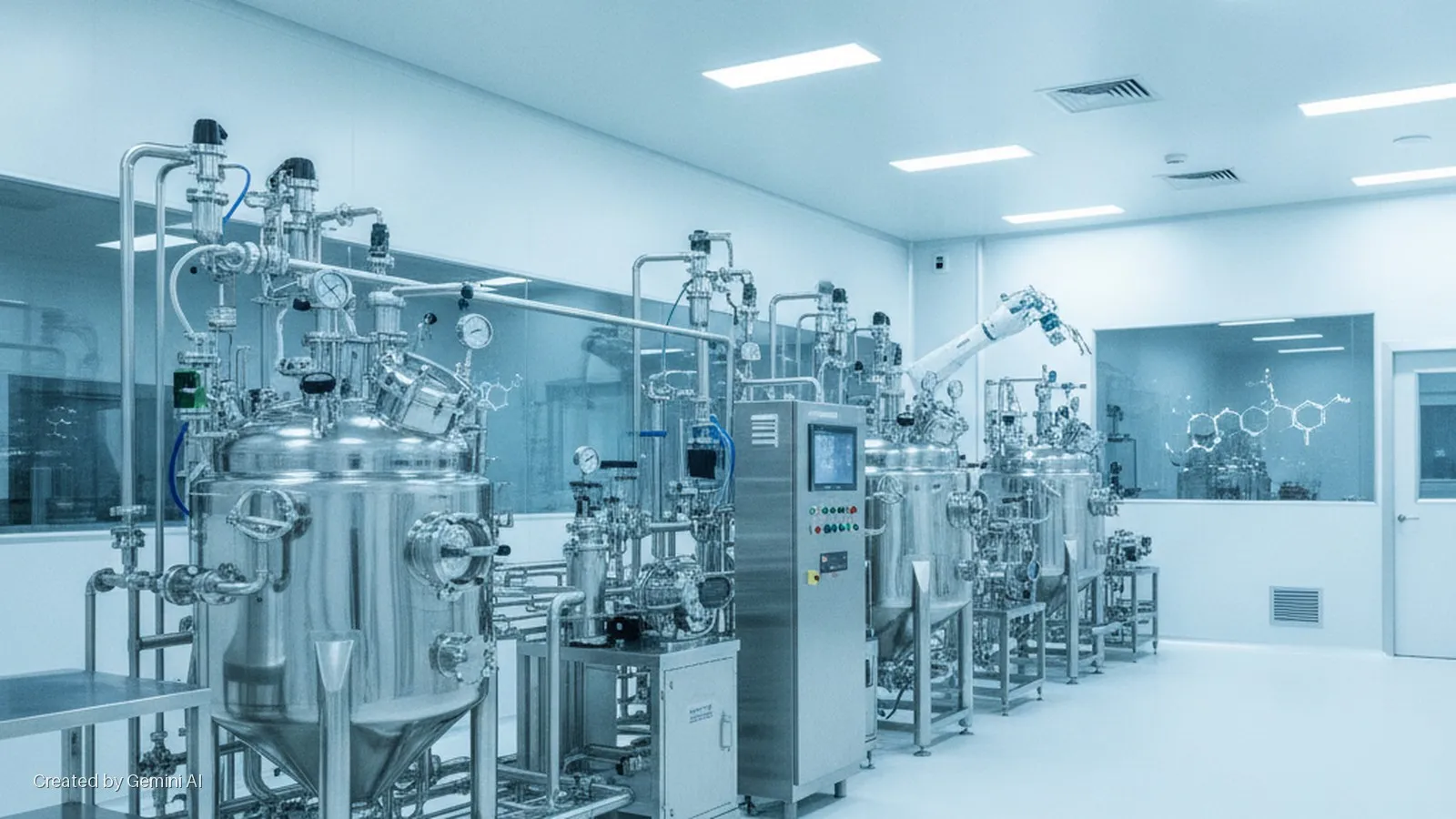
Samfara, a London-based private equity firm focused on European life sciences buyouts, has completed the acquisition of Chr. Olesen Synthesis, a Danish active pharmaceutical ingredient manufacturer specialising in controlled substances. The deal marks Samfara's first investment and was backed by a syndicate of European and North American institutional investors and family offices. Financial terms were not disclosed.
Chr. Olesen Synthesis operates from a cGMP-certified facility in Hvidovre, near Copenhagen, and has been in commercial production since 2015. Its core products include APIs for opioid use disorder treatment, principally buprenorphine, and for ADHD, principally lisdexamfetamine. The business supplies pharmaceutical companies across Europe, North America and the Middle East, and also offers contract development and manufacturing services for novel APIs.
The deal
The business was previously owned by Chr. Olesen, a family-owned distribution company founded in 1885, and funds managed by Signet Healthcare Partners, a New York-based healthcare growth equity firm that has backed more than 60 companies since 1998. Chr. Olesen acquired the synthesis unit in 2011 and developed it alongside Signet into what Mads C. Olesen, chief executive of the parent company, described as "a significant player in controlled-substance APIs."
Chief executive Thomas Moestrup is investing alongside Samfara in the transaction, a co-investment structure that aligns management incentives with the incoming owner. Jean-François Hilaire, a former chief executive of Unither and former executive vice-president at Recipharm, will join the Chr. Olesen Synthesis board as chair following the close. His background in pharmaceutical contract manufacturing should strengthen the company's commercial positioning as it pursues new customer relationships.
Helena Malchione and James Cocker, partners at Samfara, said the acquisition "illustrates our strategy of finding winning companies in complex niches and backing them with capital and strategic support," adding that the business "holds a strong position and an excellent reputation in a demanding part of the pharmaceutical market."
Market context
The controlled-substance API segment is a structurally constrained niche. Manufacturers require DEA-equivalent national licences in each operating jurisdiction, and regulatory scrutiny of supply chains for Schedule I and Schedule II substances has intensified following post-pandemic reviews of pharmaceutical supply chain resilience by both the European Medicines Agency and the US Food and Drug Administration. That environment creates meaningful barriers to new entrant competition and tends to support pricing power for incumbents with established compliance records.
Demand for buprenorphine-based formulations has grown substantially over the past decade, driven by the expansion of medication-assisted treatment programmes for opioid use disorder across North America and Europe. Lisdexamfetamine, marketed as Vyvanse by Takeda before its originator patents expired, is now facing generic competition, which increases the need for cost-competitive API supply and could support volume growth for contract manufacturers such as Chr. Olesen Synthesis.
Samfara has indicated growth will be pursued both organically and through further acquisitions, suggesting the firm may seek to consolidate additional European contract manufacturers of controlled-substance APIs under the Chr. Olesen Synthesis platform. Investors will be watching for evidence of new customer wins and any indication of the company's revenue base, which was not disclosed in this announcement.